
The difference between a handyman and a general contractor matters more than most property owners realize. If you hire the wrong level of help, the project can slow down, permits can get missed, and small problems can turn into expensive rework.
For simple repairs, a handyman can be the right fit. For larger renovation, remodeling, commercial, or permit-driven work, you need a licensed general contractor who can manage the project from planning through completion.
If you are searching for "general contractor vs handyman Lexington KY," the easiest way to think about it is this: a handyman handles isolated tasks. A general contractor manages full project scope, coordination, compliance, scheduling, and accountability.
What a handyman is usually best for
A handyman is typically the right choice for smaller, self-contained jobs that do not require major trade coordination or structural decision-making.
Examples include:
- Replacing trim or interior doors
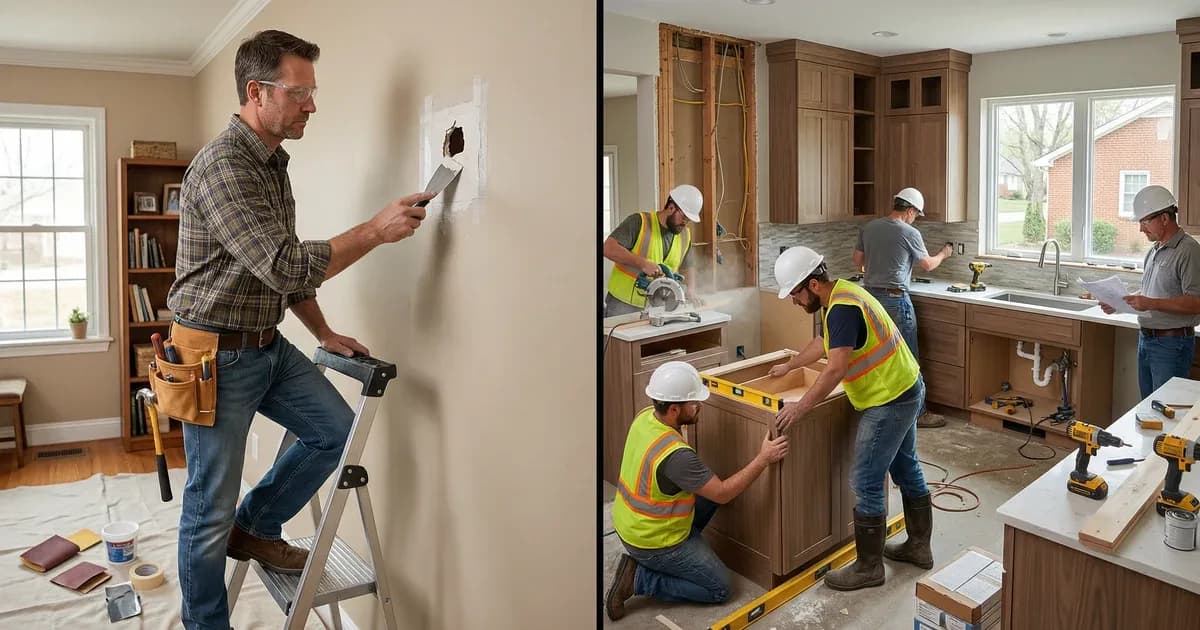
- Minor drywall repair and paint touch-ups
- Fixture swaps that do not involve major rewiring or rerouting
- Small punch-list items before listing a property
- Basic maintenance work around the home or office
Those jobs matter, but they usually stay narrow in scope. The work can often be completed by one person or a very small crew without a broader construction plan.
What a general contractor does differently
A general contractor is responsible for the full project, not just a single task. That includes estimating, sequencing trades, supervising work, handling permit coordination, managing inspections, keeping the scope organized, and making sure the finished result holds together as one complete job.
When a project affects multiple systems at once, the value of a GC becomes obvious. Demolition, framing, electrical, plumbing, finishes, deliveries, inspections, and closeout all need to be coordinated in the right order. That is not handyman work. That is general contracting.
At Handy Manny's LLC, that is the role we now fill. The company may have started with handyman roots, but the work has grown well beyond small repairs. Today the focus is licensed general contracting for residential and commercial projects across Lexington.
Projects that usually call for a licensed general contractor
As a practical rule, you should move up from a handyman to a licensed GC when the project is large enough that mistakes, delays, or missing permits create real financial risk.
That usually includes:
- Renovation projects over $10,000
- Commercial improvement or build-out work
- Structural changes such as removing or reframing walls
- Projects that require permits or inspections
- Multi-room remodels involving several trades
For example, a homeowner updating one damaged piece of trim may only need a handyman. A homeowner opening up a kitchen, moving plumbing, upgrading electrical, and changing wall layout needs a contractor who can run the full scope through residential renovation planning.
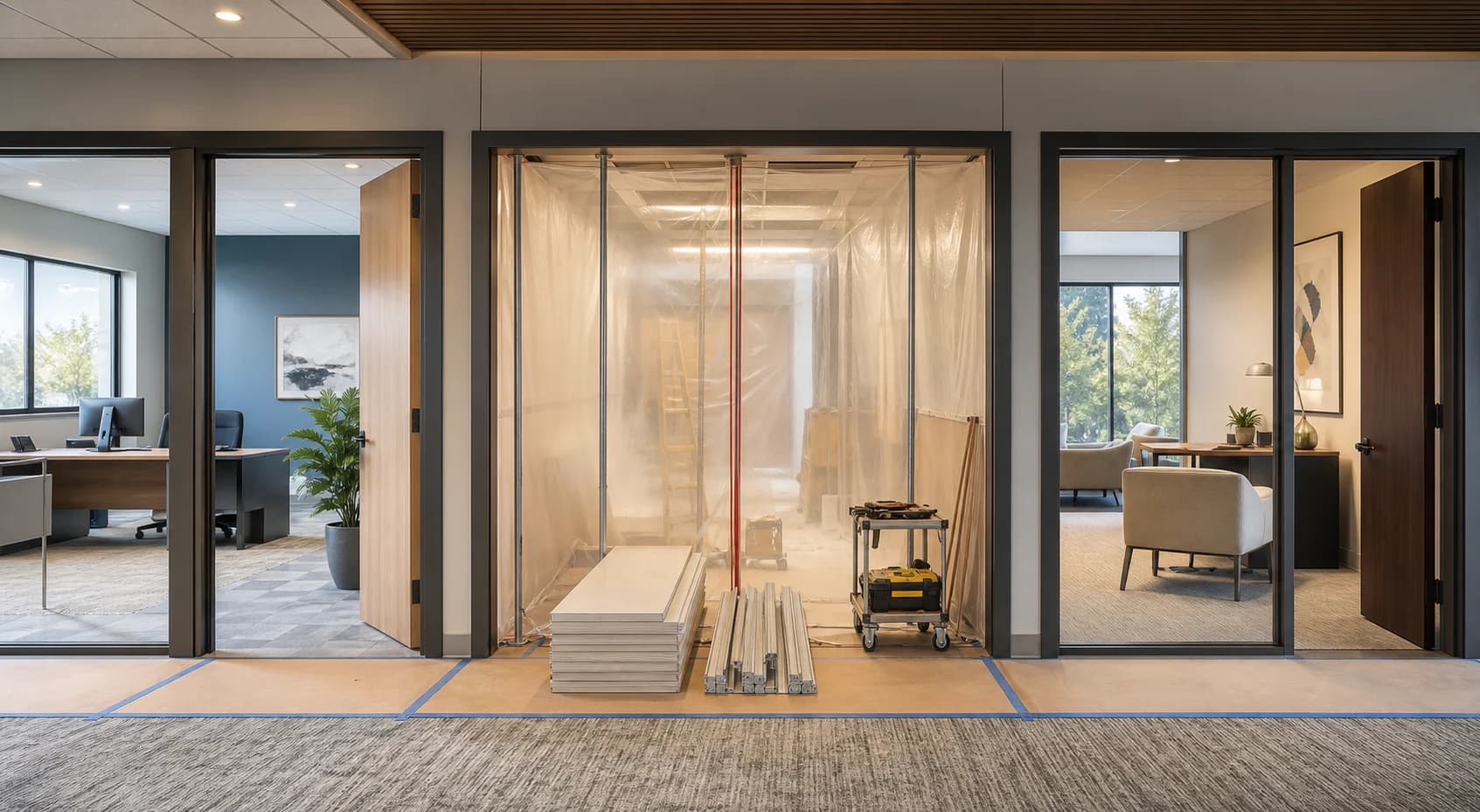
The same logic applies on the commercial side. Replacing a few ceiling tiles is one thing. Renovating an office, restaurant, or retail suite with schedule pressure and code requirements is different. That belongs under commercial renovation management.
Why the distinction matters in Lexington
Lexington projects often involve older structures, layered repairs, and permit-sensitive work. Once demolition starts, it is common to uncover framing issues, outdated wiring, moisture damage, or code upgrades that need to happen before finishes go back in.
A handyman can be very useful on straightforward tasks. But when the project starts affecting structure, systems, budget control, and inspections, you need someone who can make decisions across the whole job and keep every trade aligned. That is what a GC is hired to do.
The wrong fit usually shows up in familiar ways:
- Change orders because the scope was underestimated
- Delays caused by poor sequencing
- Confusion about who is responsible for each phase
- Permit or inspection issues discovered too late
- Finished work that has to be reopened so another trade can do its part
Those problems are expensive because they are management problems, not just craftsmanship problems.
Handy Manny's LLC is not positioned as "just a handyman"
The domain name still causes some understandable confusion, but the business has evolved. Handy Manny's LLC operates as a serious general contractor serving residential and commercial clients who need full-project execution, not just maintenance help.
That means the company is built for scopes such as:
- Whole-home updates and additions
- Kitchen and bathroom remodel coordination
- Permit-required renovation work
- Commercial interior improvements
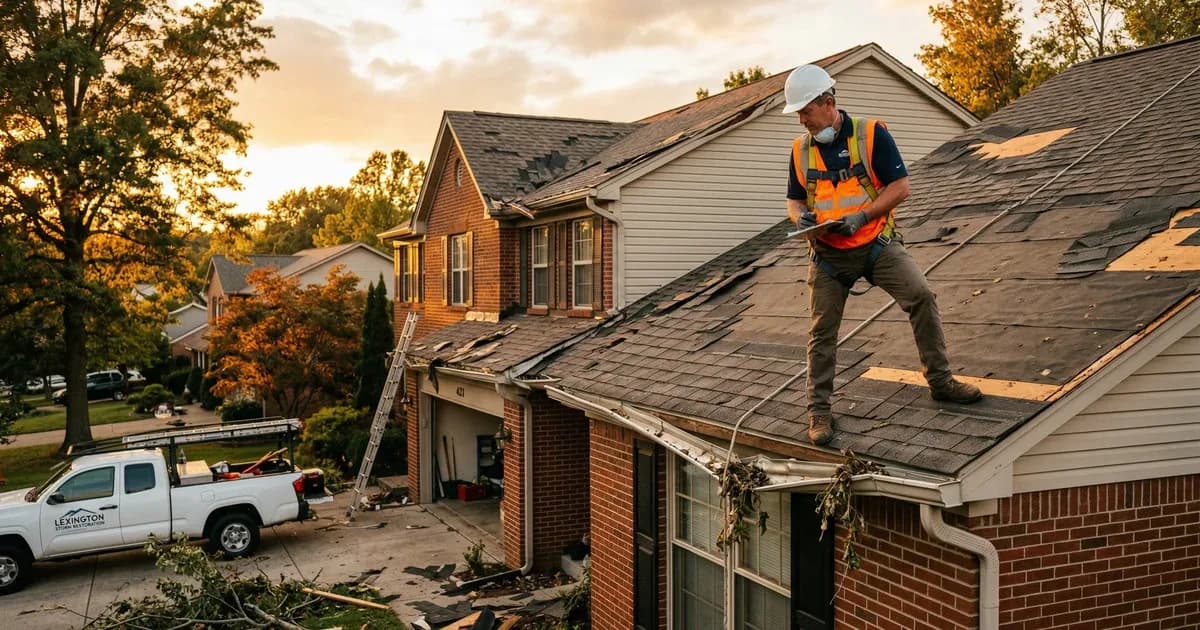
- Exterior and roofing scopes tied to broader project work
If the job needs multiple trades, a real schedule, and one accountable team leading the process, that is where Handy Manny's LLC fits. For broader service planning, property owners can review both residential general contracting and commercial general contracting options before setting scope.
A simple way to decide
Ask yourself four questions:
- Is this a small isolated repair, or a broader project?
- Will more than one trade need to work in sequence?
- Is there any structural, permit, or inspection component?
- If something goes wrong, is the cost of poor coordination significant?
If the answers point toward complexity, a handyman is no longer the right lane.
The bottom line
There is nothing wrong with hiring a handyman for the right kind of job. The mistake is expecting handyman-level service to carry a renovation or commercial scope that really needs project management, trade coordination, and licensed contractor oversight.
If your project in Lexington is moving beyond minor repairs, talk with a general contractor first. Contact Handy Manny's LLC to review the scope, clarify whether the work needs GC-level management, and get a clear plan for the next step.
Related Resources from Handy Manny's LLC:
- General Contractor Lexington KY — what a licensed general contractor can do for you
- Kitchen Remodel Lexington KY — kitchen remodeling in Lexington
- Basement Finishing Lexington KY — basement finishing in Lexington
Call (859) 551-5302 or get a free estimate — we serve Lexington, Georgetown, Versailles, Nicholasville, and Winchester, KY.