
Commercial renovation succeeds or fails during planning. Field execution matters, but most expensive problems are created before the first crew mobilizes. Owners in Lexington usually face the same challenge: improve the property while protecting operations, controlling costs, and staying compliant with local requirements.
This guide outlines a practical planning sequence you can use before committing to construction.
1. Define business outcomes first
Start with operational goals, not materials. If your team cannot explain what the renovated space must do differently, design and pricing decisions become guesswork.
Examples of useful outcome definitions:
- Increase usable workstation count
- Improve customer flow and wait-time experience
- Reconfigure storage and receiving zones
- Upgrade finishes to support tenant retention
- Reduce energy waste in high-cost areas
Clear outcomes make scope decisions easier and reduce nonessential spend.
2. Document the existing conditions
Many renovation surprises come from assumptions about existing systems. Before pricing, confirm what is actually in the building.
Priority checks:
- Structural constraints and existing wall types
- Electrical capacity and panel condition
- Mechanical distribution and control zones
- Plumbing layout and fixture limitations
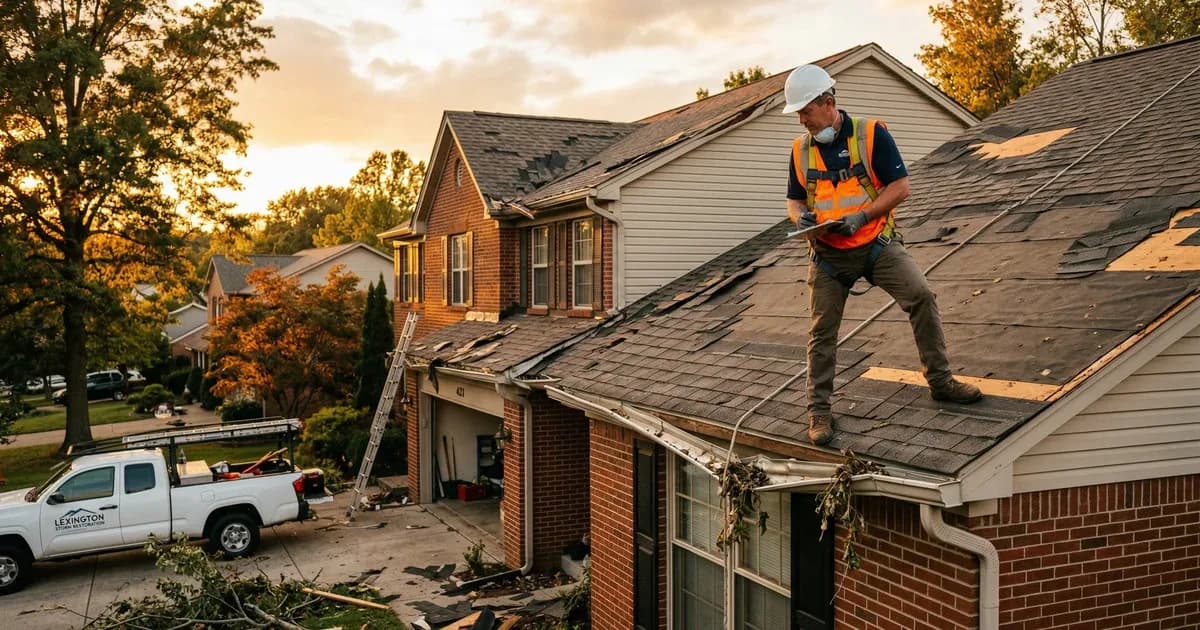
- Roof or envelope issues that may affect interior scope
Older properties in Central Kentucky often require targeted exploratory work so estimates reflect reality, not best-case assumptions.
3. Set scope boundaries and phase priorities
Commercial projects often include more requested work than budget or timeline can absorb in one phase. Prioritize scope by operational value.
A practical structure:
- Phase 1: compliance and function-critical upgrades
- Phase 2: revenue-supporting layout improvements
- Phase 3: finish upgrades and noncritical enhancements
Phasing can preserve operations, especially when paired with commercial renovation planning and tenant improvement sequencing references.
4. Build a permit and inspection roadmap
Permit timing should be part of schedule logic from day one. If regulated scopes are identified late, project start dates can slide quickly.
Common permit-sensitive scopes:
- Structural modifications
- Electrical service changes
- Plumbing relocations
- HVAC reconfiguration
- Accessibility and life-safety adjustments
Coordinate early with design and construction teams to map likely submission requirements and inspection milestones.
5. Plan occupancy and disruption controls
If the property stays active during work, business continuity planning is nonnegotiable. Occupied renovation affects operations beyond construction zones.
Plan for:
- Access routes and egress continuity
- Noise windows and quiet hours
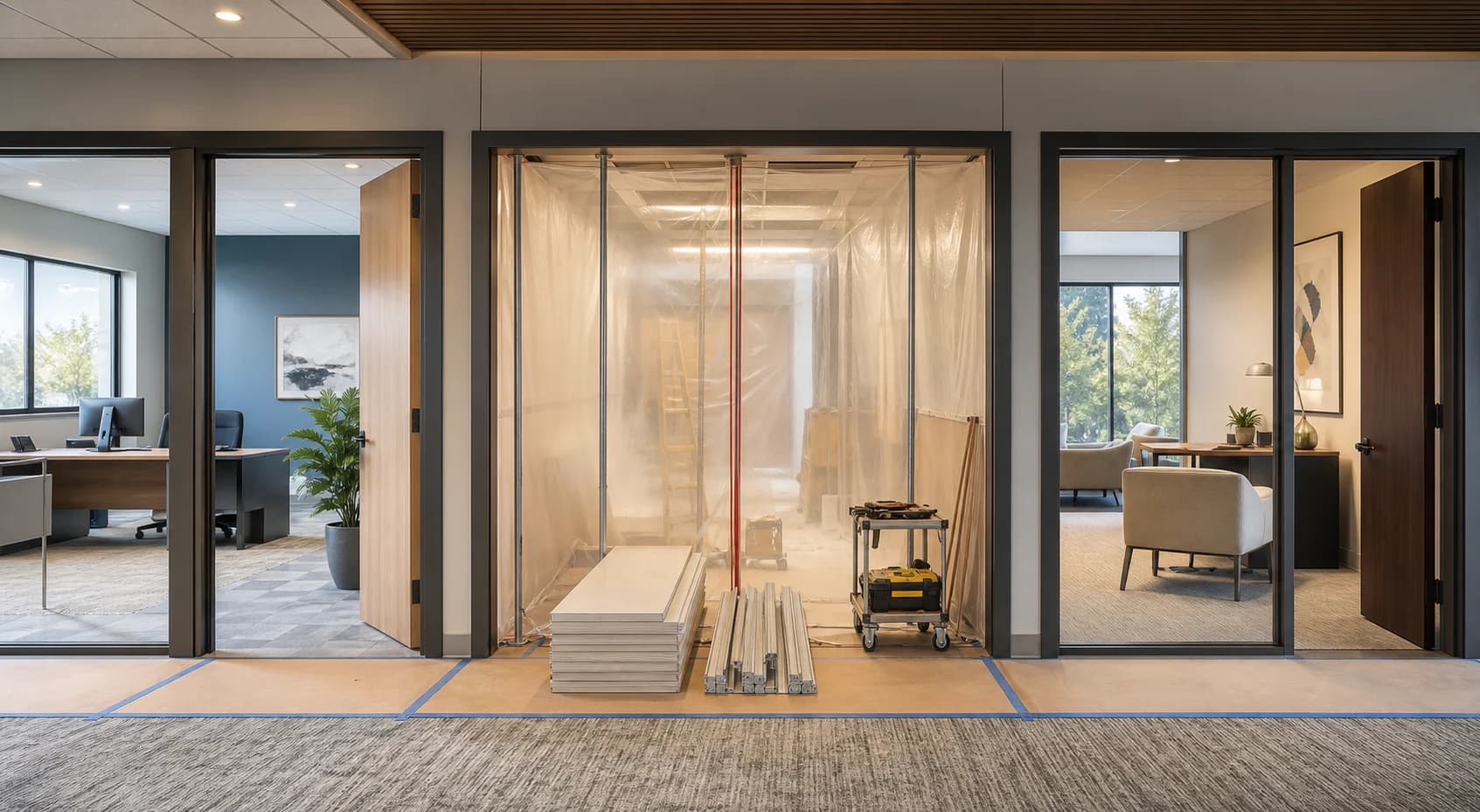
- Dust and air-quality control
- Temporary closures by zone
- Customer and staff communication cadence
When continuity matters, execution quality depends on preconstruction detail.
6. Align budget structure with real risk
A one-line budget is not a plan. You need visibility into base scope, allowances, alternates, and contingency.
Recommended budget components:
- Base construction scope
- Owner-selected finish allowances
- Known alternates with defined options
- Contingency for hidden conditions
- Soft costs and downtime impacts
Contingency is especially important in older buildings where concealed conditions are likely.
7. Address long-lead procurement early
Procurement drives schedule more than many owners expect. Doors, specialty finishes, electrical gear, and custom millwork can affect start and turnover dates.
During planning, identify:
- Long-lead materials
- Required approval deadlines
- Substitute products if lead times change
- Storage and delivery constraints
Ignoring procurement at the planning stage is one of the fastest ways to lose schedule certainty.
8. Define governance before mobilization
Governance means decision ownership. Without it, approvals stall and small issues become schedule problems.
Set this before day one:
- Primary owner decision-maker
- Weekly meeting cadence
- Change-order approval path
- Field-issue escalation contacts
- Documentation format for status reporting
A clear governance model accelerates issue resolution and protects momentum.
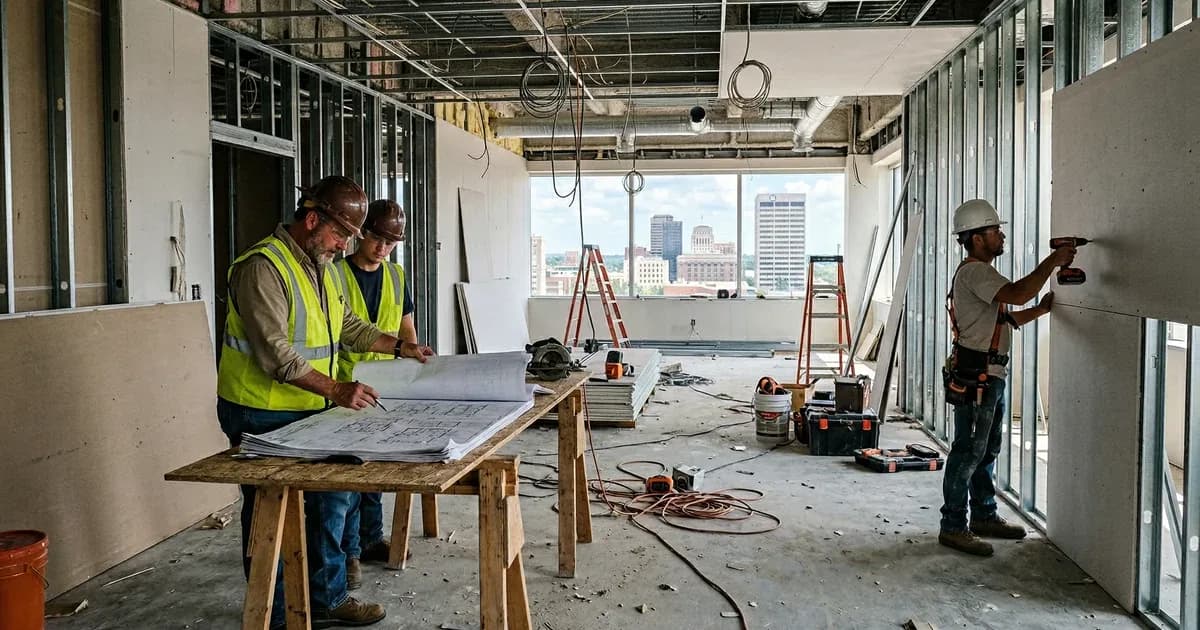
9. Use selective demolition strategically
Selective demolition can validate assumptions before final commitment to full production mobilization. This is useful in buildings where drawings are limited or outdated.
Benefits:
- Early visibility into hidden conditions
- Better pricing confidence for downstream work
- More accurate sequencing for rough-ins and inspections
It adds planning effort up front but usually reduces downstream volatility.
10. Validate turnover requirements early
Closeout standards should be defined before work starts, not at the end. Clarify what qualifies as complete for your operation.
Examples:
- Functional testing and commissioning expectations
- Punch-list thresholds
- As-built documentation needs
- Cleanliness and occupancy handoff standards
Early turnover definitions reduce closeout disputes.
Common planning mistakes to avoid
- Starting construction before permit path is clear
- Treating occupied-site logistics as a field-level detail
- Underestimating procurement constraints
- Using incomplete scope definitions to compare bids
- Skipping contingency in older buildings
Each of these mistakes increases cost and schedule risk.
Bottom line
Commercial renovation planning is about control: control of scope, control of disruption, and control of risk. Owners who define outcomes, validate existing conditions, and align permit and procurement strategy before mobilization usually get more predictable results.
For related planning references, compare commercial property development workflow and commercial construction sequencing before finalizing a phased plan.
FAQ
Related Resources from Handy Manny's LLC:
- General Contractor Lexington KY — licensed general contracting in Lexington
- Commercial Renovation Services — our commercial remodeling services
- Davis-Bacon Contractor Kentucky — Davis-Bacon compliant contracting in Kentucky
Call (859) 551-5302 or get a free estimate — we serve Lexington, Georgetown, Versailles, Nicholasville, and Winchester, KY.