
People use the words renovation and remodeling as if they mean the same thing. In practice, they describe different levels of work. Knowing the difference helps property owners set realistic budgets, understand permitting risk, and pick the right schedule before construction starts.
If you are planning work in Lexington, this distinction affects almost every project decision, from design scope to inspections to temporary living arrangements.
The short definition
Renovation usually means improving what already exists without changing the core layout. Remodeling usually means changing the layout, structure, or function of a space.
That sounds simple, but the impact is major:
- Renovation tends to be less invasive
- Remodeling usually requires deeper coordination
- Renovation often has shorter timelines
- Remodeling introduces more unknowns once walls are opened
What counts as renovation
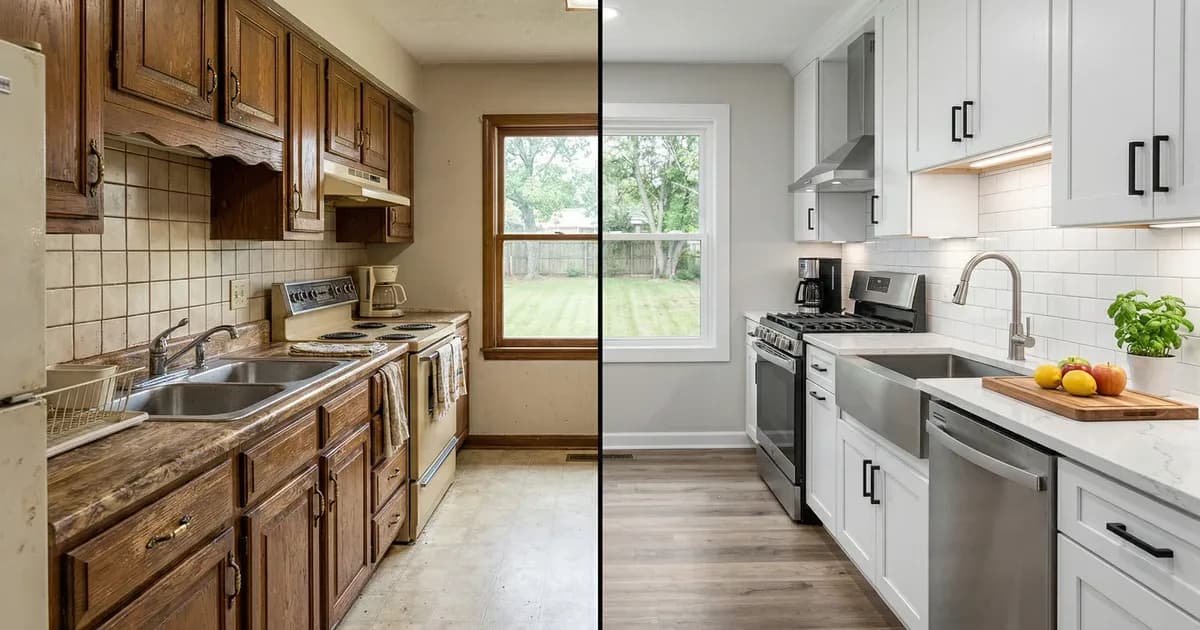
Renovation is about refreshing, repairing, or upgrading existing components while keeping the room footprint mostly the same.
Typical renovation examples:
- Replacing flooring throughout a home
- Updating paint, trim, and doors
- Swapping countertops while keeping cabinet layout
- Replacing bathroom tile and fixtures in existing positions
- Exterior updates such as siding or roof replacement in kind
These scopes can still be substantial, but they generally avoid major structural rework.
What counts as remodeling
Remodeling goes beyond updates. It changes how a space works.
Typical remodeling examples:
- Removing or adding walls to change room flow
- Expanding a kitchen into a dining area
- Relocating plumbing for new kitchen or bath layouts
- Converting unused space into a bedroom or office
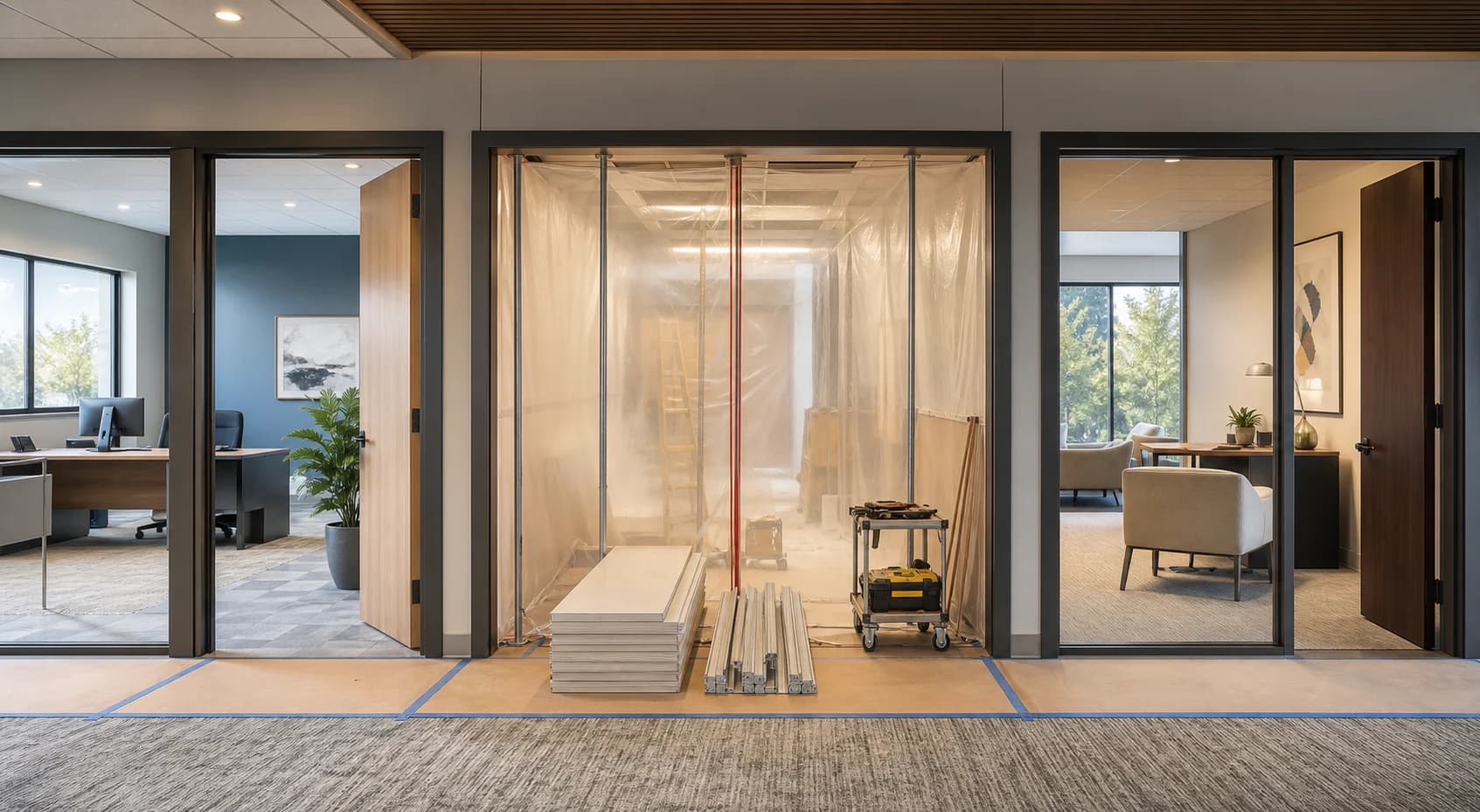
- Reworking commercial interiors for a different tenant use
Because remodeling alters function, it usually requires more planning and more trade coordination.
Cost and budget implications
Renovation projects are often easier to estimate early because the existing layout limits complexity. You are improving known surfaces and known systems.
Remodeling has wider cost ranges. Once walls and ceilings are opened, teams may uncover structural corrections, outdated wiring, or code upgrades that were not visible during initial walkthroughs. That uncertainty is why remodel budgets usually include contingency.
A practical planning rule:
- Renovation: tighter cost range, fewer moving parts
- Remodeling: broader range, larger contingency, more design coordination
If you are comparing options, review both residential renovation scopes and residential remodeling scopes to see which definition matches your goals.
Permit and code differences
Renovation does not always trigger permits, especially for cosmetic-only work. Remodeling frequently does, especially when structural framing, plumbing lines, electrical circuits, or mechanical systems are modified.
In Kentucky, permit requirements are jurisdiction-specific, so the exact trigger varies by municipality and scope. The key is to verify before demolition starts, not after work is underway.
Where owners get into trouble:
- Assuming cosmetic budget for a structural scope
- Moving plumbing without permit planning
- Starting demolition before inspection sequence is clear
- Treating a function change as a finish update
Timeline differences
Renovation timelines are usually more predictable. You can often stage the work room by room with fewer dependencies.
Remodeling timelines are less linear because multiple trades must complete work in sequence. For example, framing changes affect electrical rough-in, which affects insulation, drywall, and finishes. Inspection timing can also control when work can advance.
The more layout change involved, the more critical sequencing becomes.
How mixed projects work
Many projects are hybrid by design. A homeowner may remodel one area and renovate another to control budget.
Example:
- Remodel kitchen layout for better function
- Renovate adjacent living room finishes
- Keep hallway and bedrooms to cosmetic updates only
That approach focuses budget where functional change creates the biggest value, while still improving the rest of the home.
Decision framework for property owners
Use these five questions before finalizing scope:
- Are you keeping the same room layout?
- Will any walls, plumbing, or major electrical paths move?
- Is your main goal appearance, function, or both?
- How much schedule disruption can you tolerate?
- Do you have contingency budget for hidden conditions?
If most answers point to appearance and same layout, renovation is likely the better term. If answers point to function change and system relocation, you are planning a remodel.
Why terminology matters in estimates
When owners say renovation but describe remodeling, proposals can miss important work in early drafts. That creates pricing confusion and change orders later.
The fix is simple: define outcomes in plain language.
- What rooms change?
- What stays in place?
- What functions are different after completion?
Clear scope language helps every contractor bid the same work.
Bottom line
Renovation and remodeling are related, but they are not interchangeable. Renovation improves what is there. Remodeling changes how space works. Choosing the right category early improves budget accuracy, permit planning, and schedule control.
For broader project planning that includes structure, schedule, and multi-trade sequencing, review residential general contracting and commercial general contracting reference pages before defining next steps.
FAQ
Related Resources from Handy Manny's LLC:
- Kitchen Remodel Lexington KY — kitchen remodeling in Lexington
- Bathroom Remodel Lexington KY — bathroom remodeling in Lexington
- Basement Finishing Lexington KY — basement finishing in Lexington
Call (859) 551-5302 or get a free estimate — we serve Lexington, Georgetown, Versailles, Nicholasville, and Winchester, KY.