
title: "A Lexington General Contractor's Spring Maintenance Guide for Homeowners" description: "A Lexington KY general contractor’s spring walkthrough for gutters, siding, decks, and roof trouble spots—what to inspect yourself and when damage has grown into a full-scope job." date: "2026-04-15" slug: "spring-home-maintenance-checklist-lexington-ky-storm-season" category: "Seasonal maintenance tips" author: "Manny Santos" published: true cover_image: "https://wznxlstwsdka9w7n.public.blob.vercel-storage.com/blog/spring-home-maintenance-checklist-lexington-ky-s-spring-home-maintenance-checklist-lexington-ky-storm-sea-282cb364.webp"
Last April I got a call from a homeowner over in Tates Creek. Nice place, nice folks. Their basement was “randomly” getting water after the big rains.
When I showed up, it wasn’t random at all.
Two downspouts were dumping right beside the foundation, the gutters were packed with those little helicopter seeds, and the splash blocks had walked off sometime around last fall. One good storm and the water had nowhere to go except straight down.
I run a general contracting company here in Lexington, so most of what I get called for is full-scope work — kitchens, basements, additions, roofing, insurance restoration. But a lot of those jobs start as something small a homeowner could have caught in March. That’s why I put together this spring home maintenance checklist for Lexington KY homeowners. Spring here means wind, hail, heavy rain, and that one weird day where it’s 78 degrees and then drops back to 42.
To be clear about what this is: a walkthrough you can do yourself. We take on projects starting at $20,000, so the point below isn’t to sell you a service call — it’s to help you catch water and rot early, while it’s still a homeowner-sized fix instead of a structural one.
If you’re in Chevy Chase, Beaumont, Hamburg, Gardenside, Masterson Station, Kenwick, or anywhere around Lexington, here’s what I recommend you do right now—before the next round of storms.
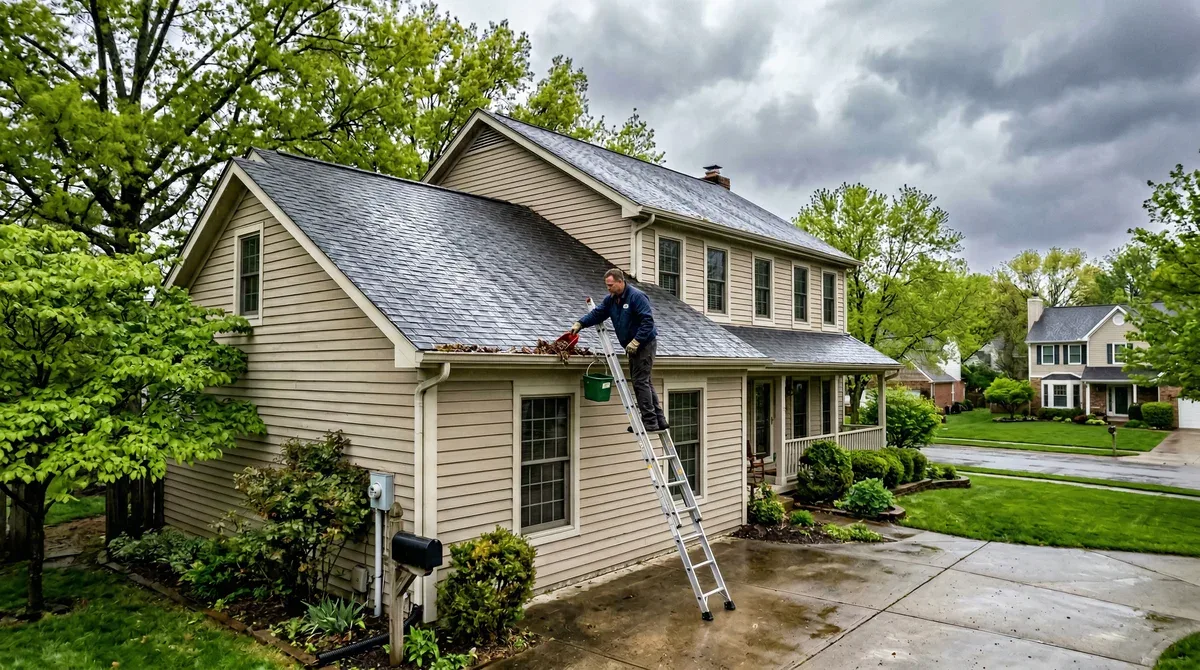
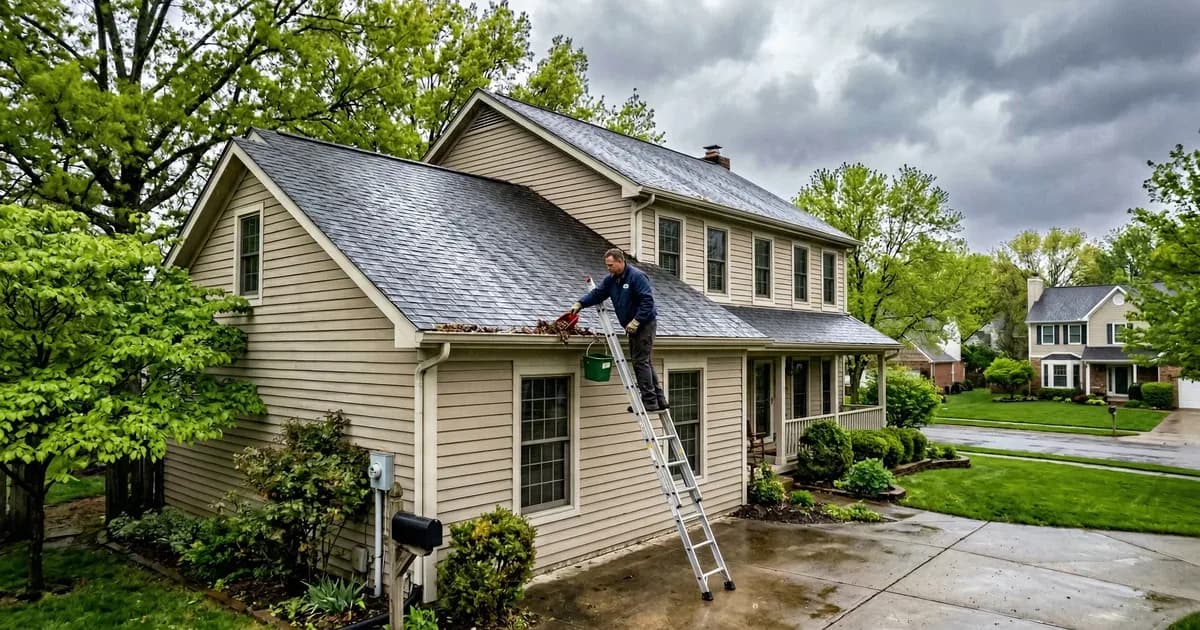
1) Gutters and downspouts: don’t just “clean them,” make them work
Most gutter problems I see aren’t because the gutters are dirty. They’re because the gutters are dirty and the water exits in the wrong spot.
Quick checklist:
- Clear the gutters (especially around valleys and behind those big Bradford pears)
- Run water from a hose and make sure it flows to the downspout fast
- Check for “water marks” on fascia/soffit—usually a sign of overflow
- Confirm downspouts discharge 4–6 feet away from the house (extensions matter)
Clean-out, splash blocks, and downspout extensions are all homeowner-scale work, and a local gutter service can handle the rest.
Where it stops being small: rot along the fascia or soffit. Once water has been running behind the gutter for a season or two, you’re into framing and exterior carpentry — that’s the point where it becomes a general contracting job.
2) Roof and flashing: you’re not looking for “missing shingles” only
After spring storms, people look for shingles in the yard. That’s obvious damage.
What’s sneaky damage is up at the flashing—around chimneys, vents, and any roof-to-wall spots. I see this a lot in older neighborhoods like Southland and Meadowthorpe, where rooflines get complicated.
What to look for from the ground:
- Shingles that look lifted or curled
- Granules collecting at downspout exits (looks like dark sand)
- Metal flashing that looks bent, popped up, or rusted
If you’ve got water stains on the ceiling, that’s not “wait and see” territory. Storm damage that has reached the decking, or that runs across a whole slope or roof-to-wall assembly, is full-scope work — and it’s usually an insurance conversation, not a patch.
If you need storm-related repairs, this is in our wheelhouse: roofing and insurance restoration.
3) Siding and exterior trim: walk the house like you’re doing a pre-flight
I tell homeowners: take 10 minutes and do a loop around the house.
In Hamburg and Hartland, I run into a lot of vinyl siding that looks fine until you’re standing at the right angle. One storm and a few panels can unzip, especially near corners.
Check for:
- Loose panels (they’ll rattle when the wind hits)
- Cracks around corners and windows
- Soft spots in wood trim (poke gently—if it gives, you’ve got rot)
Re-securing a couple of loose panels is a homeowner-scale fix. Rot that has spread behind the trim into sheathing is not — by then you’re opening up the wall.
If you’re planning a full exterior update rather than a patch, that’s work we handle: siding.
4) Decks and rails: spring is when hidden rot shows up
If you’re in Palomar or Beaumont and you’ve got a nice deck, spring is when you find out if winter did damage.
You’re not just checking boards. You’re checking connections.
Do this:
- Grab the railing and shake it. If it moves, that’s a safety issue.
- Look at posts where they meet the ground or concrete. That’s where rot starts.
- Check stairs for loose stringers or spongy treads.
Swapping a few boards is maintenance. Posts rotting at grade, a loose ledger, or stringers pulling away are structural — that’s a rebuild, not a repair.
If you’re thinking about a full deck rebuild, I’ll be straight with you on what’s worth saving and what isn’t.
5) Windows, doors, and caulk: water always finds the lazy gap
Spring rain plus wind equals water getting pushed sideways. That’s when little gaps around windows start acting like funnels.
Look for:
- Cracked or missing caulk at windows/doors
- Soft drywall at interior corners near windows
- Sticking doors (sometimes swelling, sometimes foundation movement—either way, it’s a clue)
Re-caulking problem areas is a weekend job with a good gun and the right sealant.
If the leak is active, fix the exterior source first. Patching drywall before the leak is handled is just paying twice.
6) Basement and crawl space: check before you store anything down there
Basements around Gardenside and older parts of Lexington can be perfectly fine… until they’re not.
Quick checks:
- Look for damp corners and musty smell
- Check that your sump pump actually turns on (pour water in the pit)
- Make sure the grade around the house slopes away
Downspout and grade tweaks solve the problem more often than people expect, and a sump pump swap is a plumbing service call.
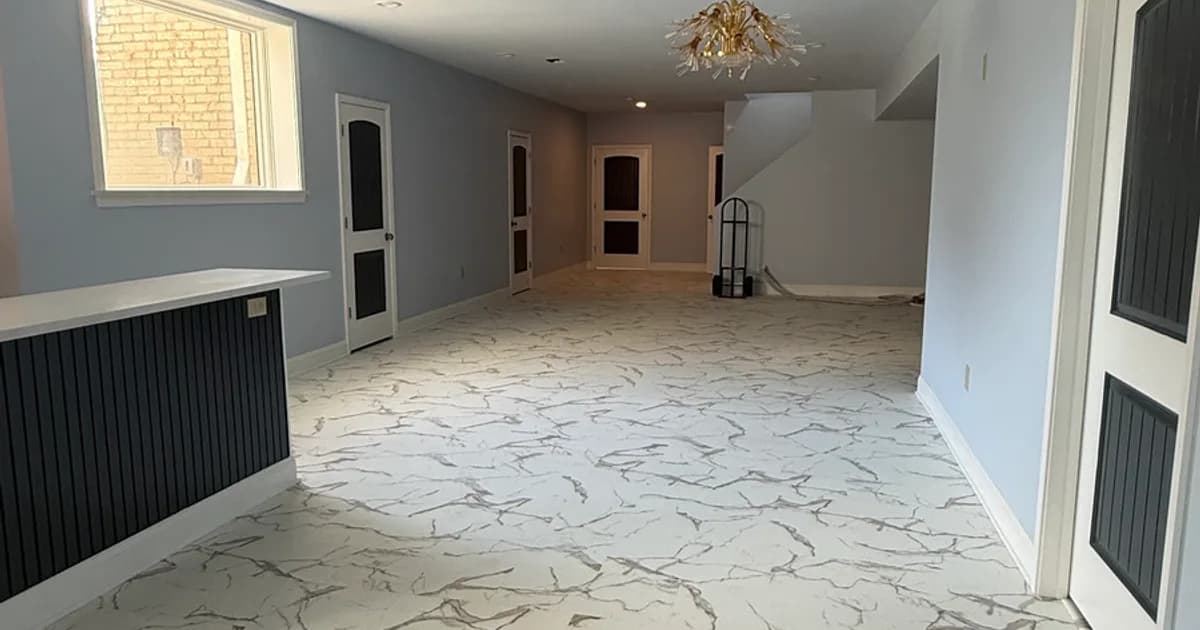
If you’ve got repeated water issues, don’t ignore them—especially if you’re thinking about finishing the basement later. We won’t finish a basement over an unsolved water problem, so that drainage work has to come first either way.
7) Interior “storm season” prep: little stuff that saves big headaches
This is the unsexy part, but it matters.
- Replace HVAC filter (spring pollen is no joke)
- Test smoke/CO detectors
- Know where your main water shutoff is
- Take quick photos of valuables for insurance records
And if you’ve had hail in your area, take pictures of:
- Roof
- Gutters
- Siding
- Window screens
- A/C condenser fins
Those photos help if you end up needing an insurance claim.
A quick rule I use: fix drainage first, then fix the pretty stuff
In Lexington, I can’t tell you how many “mystery” problems come back to water management.
Before you spend money on new flooring, paint, or that bathroom upgrade you’ve been dreaming about—make sure water is going where it’s supposed to go.
If this walkthrough turned up something bigger than a maintenance item — rot in the framing, a roof that needs more than a patch, a deck that isn’t safe — that’s when it’s worth a call. I’ll tell you straight what I’d do if it was my own house, and whether it’s even a job for a general contractor yet.
Call (859) 551-5302 or get a free estimate at handymannysky.com/contact.