
A general contractor is often described in one sentence: the person who manages a construction project. That definition is technically correct, but it misses what owners actually need to understand. A contractor is not just an intermediary between bids and labor. They are the system that keeps scope, schedule, cost, and accountability aligned from beginning to end.
Whether the job is residential or commercial, the work becomes risky when no one owns coordination.
The core role in plain language
A general contractor is responsible for delivering the project outcome, not just one trade package. That responsibility usually includes:
- Preconstruction planning
- Scope definition and estimate alignment
- Scheduling and sequencing
- Trade coordination
- Permit and inspection workflow
- Site supervision and quality control
- Change management and closeout
If one piece fails, every downstream phase can be affected. That is why project leadership matters as much as craft execution.
What happens before construction starts
The strongest projects are usually won before demolition begins. Preconstruction is where many avoidable delays are prevented.
Typical preconstruction responsibilities:
- Walk the site to identify constraints
- Clarify scope boundaries and assumptions
- Coordinate early trade input for constructability
- Flag code and permit triggers
- Build a realistic milestone schedule
- Organize procurement for long-lead materials
This stage is especially important on scopes with multiple dependencies, such as commercial renovation and residential construction upgrades.
What happens during active construction
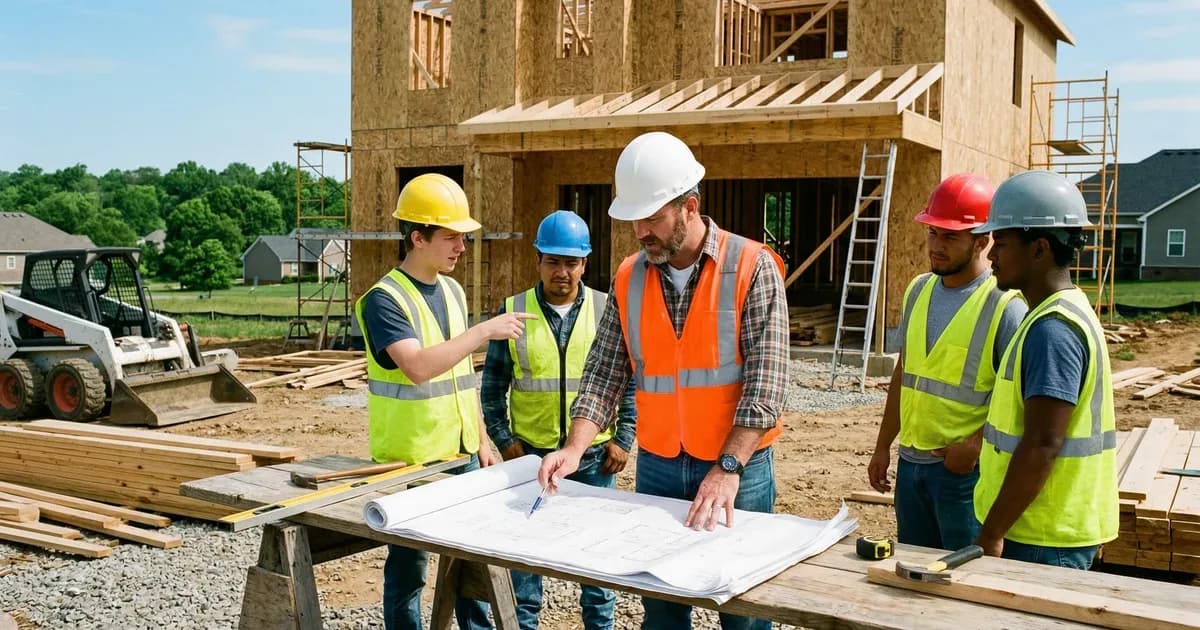
Once work starts, a contractor moves from planning to control. The day-to-day job is to keep crews synchronized so each trade can execute without rework.
Key responsibilities during construction:
- Confirm layout and field dimensions
- Coordinate daily and weekly trade sequencing
- Resolve scope clashes between disciplines
- Track inspections and release gates
- Protect quality standards and jobsite safety
- Communicate status and decisions to ownership
Without active coordination, common failures appear quickly:
- Crews arrive before predecessor work is ready
- Inspection delays stall multiple trades
- Materials are delivered out of sequence
- Completed work is reopened for missed rough-ins
These are management failures, not craftsmanship failures.
Understanding trades vs general contractor responsibilities
Subcontractors are specialists. They handle focused scopes such as electrical, plumbing, roofing, framing, painting, or flooring. Their focus is depth in one domain.
The general contractor handles integration:
- Who works first, second, and third
- Where trade boundaries start and end
- How conflicts are resolved when scopes overlap
- Which changes require cost or timeline adjustments
Both roles are necessary. Problems emerge when owners expect one trade to solve project-wide coordination.
Permits, inspections, and compliance
Permit workflow is often misunderstood until it delays progress. A contractor helps ensure regulated work is sequenced correctly, documented clearly, and inspected in the right order.
Examples of compliance-sensitive work:
- Structural framing modifications
- Electrical panel or circuit changes
- Plumbing relocations
- Mechanical system adjustments
- Fire separation and egress updates
Permit responsibilities vary by jurisdiction, but coordination still matters even when the owner or design team submits documents directly.
Budget control and change management
No project runs exactly as drafted. Hidden conditions, design revisions, and procurement issues can require field decisions.
A well-run contractor process includes:
- Clear change documentation
- Cost impacts before execution when possible
- Schedule impact statements
- Owner approval path for scope shifts
- Updated milestones after approved changes
That process protects both the budget and the working relationship.
Occupied-site and business continuity planning
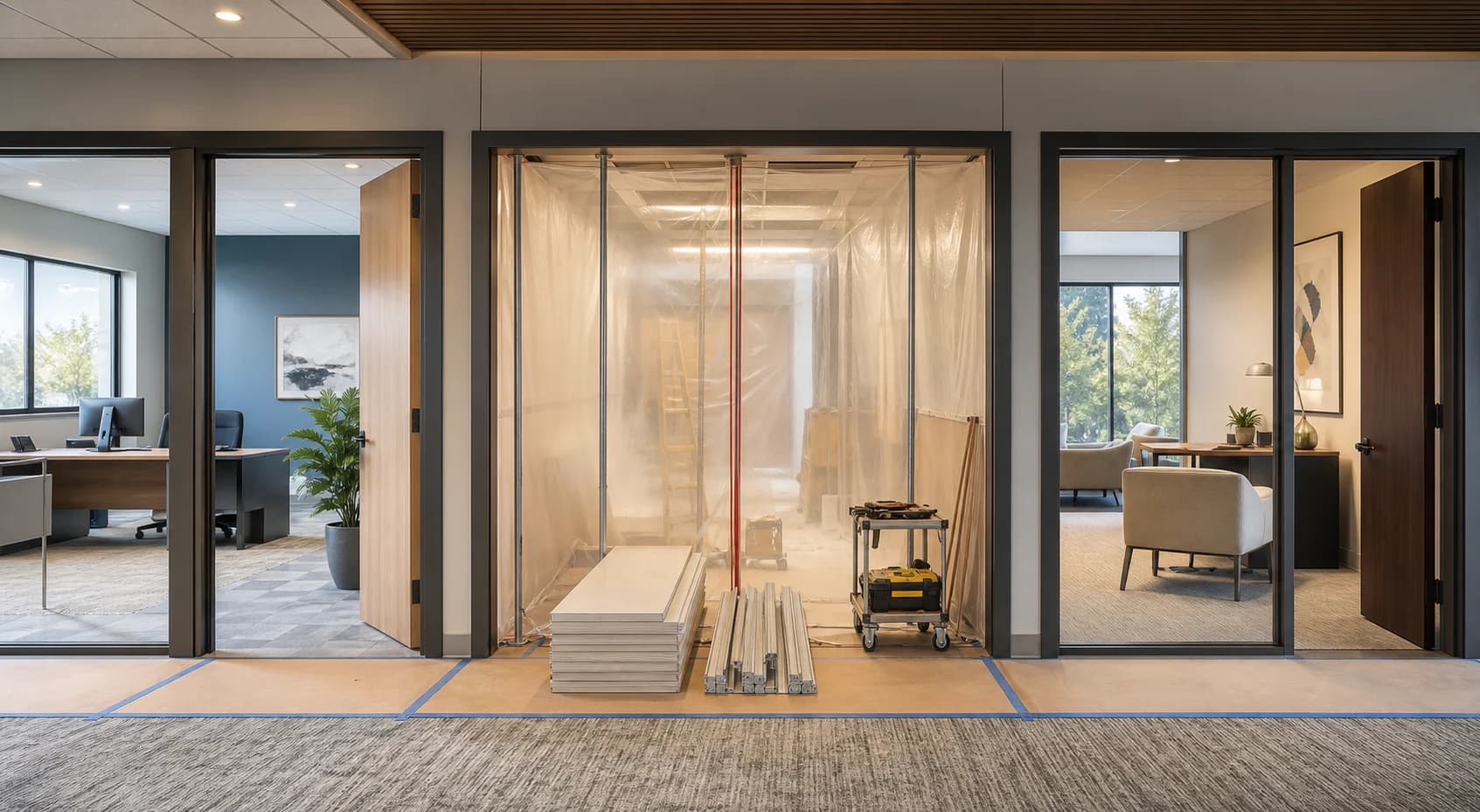
In occupied homes and active commercial properties, sequencing has to protect daily operations. Noise windows, access routes, dust control, and shutdown timing are all part of execution.
Owners planning work in occupied environments should review tenant improvement planning and residential remodeling planning so disruption control is considered at the scope stage.
What closeout includes
Completion is not just final installation. Proper closeout typically includes:
- Punch-list verification
- Documentation handoff where applicable
- Final inspection signoff status
- Site cleanup and turnover readiness
- Confirmation of outstanding scope items
Closeout quality is often the clearest indicator of contractor discipline.
How owners should evaluate contractor capability
When interviewing contractors, ask questions that test management maturity:
- How is weekly sequencing communicated?
- Who owns site supervision each day?
- How are changes documented and approved?
- How do you handle long-lead materials?
- What reporting cadence should ownership expect?
Answers should be specific and operational, not generic.
Bottom line
A general contractor is the project integrator. Trades deliver specialized work, but the contractor is accountable for connecting all parts into one successful result. On projects with multiple dependencies, the value is not only the labor. The value is control of risk, sequence, and outcomes.
If you are defining scope and want to compare delivery models, reviewing both commercial general contracting and residential general contracting pages can help frame what level of coordination your project requires.
FAQ
Related Resources from Handy Manny's LLC:
- General Contractor Lexington KY — general contracting in Lexington
- General Contractor Georgetown KY — general contracting in Georgetown
- General Contractor Nicholasville KY — general contracting in Nicholasville
Call (859) 551-5302 or get a free estimate — we serve Lexington, Georgetown, Versailles, Nicholasville, and Winchester, KY.