

Case Study · Insurance Restoration
They were told the repair was small. The house told a different story.
Serious work. Local accountability.
Allstate · Oldham residence · Lexington, KY area
Original carrier estimate: $1,735. After professional inspection and supplement documentation: $95,277 approved. This is what happens when missing scope is documented with evidence — not left to a first-pass guess.
The Problem
A number that did not match the stress on the other end of the phone.
The homeowner had real damage — the kind that does not fix itself — and the first message from the claim process was an estimate that barely registered: $1,735 from Allstate.
When the approved scope is that far below the visible disruption in the home, owners feel stuck: pay out of pocket, fight alone, or walk away from work the policy was supposed to cover. This case started in that gap — before the property had been matched to a contractor-led field review.
What We Found
Damage adjusters do not always see on the first visit — but the building shows it when you know where to look.
Once we inspected beyond the surface, the story matched what homeowners often experience after storms, water intrusion, or impact: materials that looked "okay" from a distance failed when opened up, moisture had traveled farther than the first sketch suggested, and code-compliant rebuild work was not reflected in the original line items.
- Hidden saturation and failed substrates behind finishes and cabinetry.
- Structural and framing questions that only surface during controlled demolition.
- Scope gaps for proper drying, protection, and phased trade work.
- Finishes and assemblies that must be restored to a pre-loss standard — not patched to fit a too-small number.
None of that is dramatic language — it is the ordinary reality of property losses when the first estimate is written before the full picture exists.
The Process
Four steps from an under-scoped estimate to a documented supplement.
Supplements succeed when the paperwork reflects the field — photos, math, and line items that tell a carrier what changed and why.
Inspect and compare to the carrier scope
We walked the loss with the homeowner, reviewed Allstate’s initial line items, and noted where the visible damage, moisture patterns, and structural questions did not match a $1,735 repair picture.
Document what the first estimate missed
Photos, measurements, substrate conditions, and trade notes were organized so missing demolition, drying, structure, and finish work could be tied to field evidence — not opinion.
Submit the supplement package and support follow-ups
The supplement moved through carrier questions with clarifications and added documentation so reviewers could see the same conditions we saw onsite.
Align the approved amount to the real repair plan
Once the scope caught up to the property, the approved total reflected the work required to restore the home properly — then we could sequence repairs with confidence.
The Result
When the scope caught up to the home.
After supplement review and approval, the claim reflected the work the property actually required — not the first-pass number that left the owner choosing between their savings and a safe rebuild.
Original estimate
$1,735
Approved total
$95,277
Additional approved scope
$93,542
In the homeowner's words
“We knew the first number was not real — we could see and smell what was still wrong. Once Manny's team documented everything and stayed with us through the supplement, the claim finally matched what our house needed. We were not expecting it to jump that much, but the work on paper finally matched the work in front of us.”
Before & after
Visual proof from the same loss.
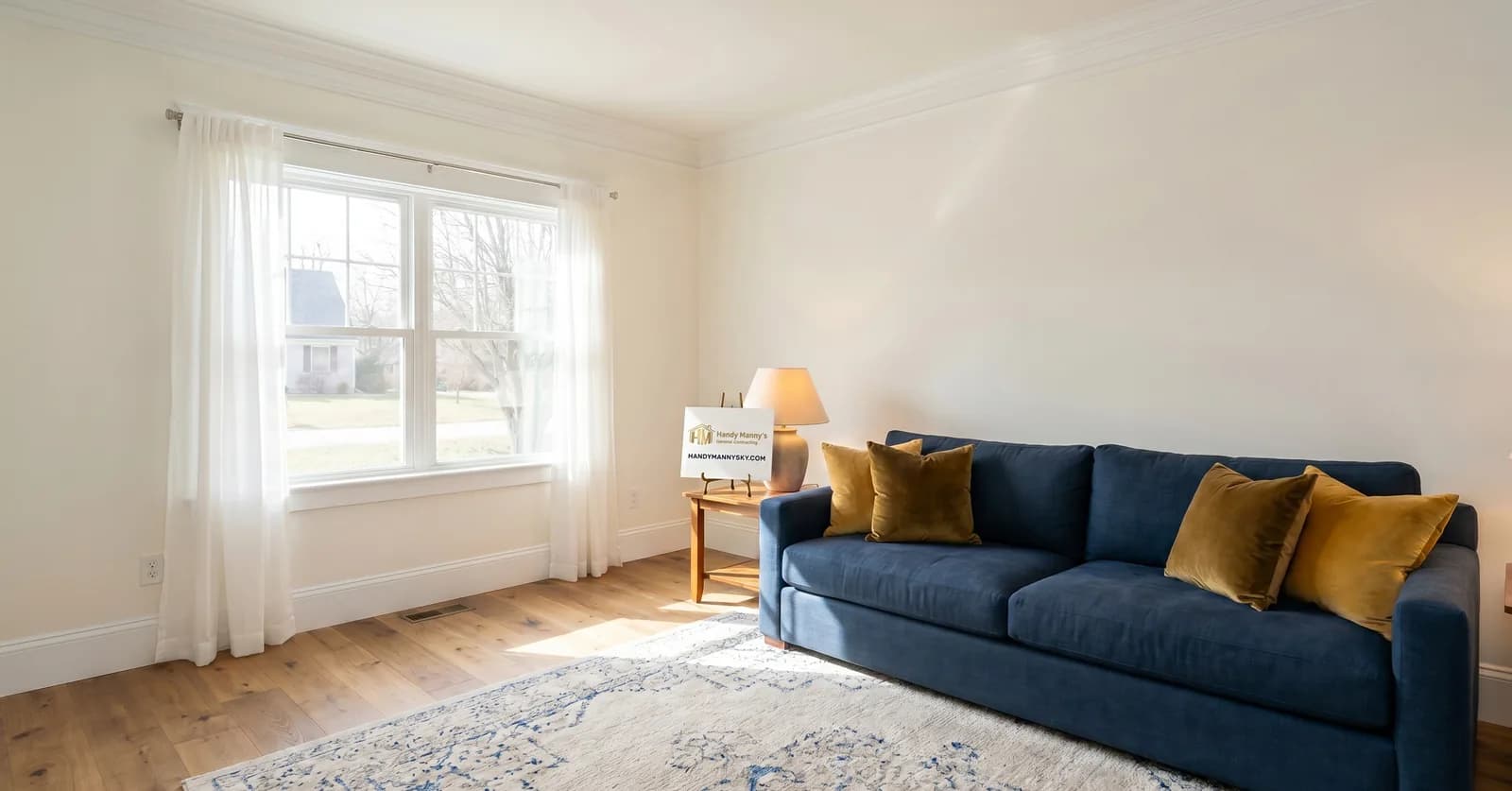
Project photography helps owners and carriers see the same conditions. Full imagery for this residence will publish here when available.
Insurance supplement FAQ
Questions homeowners ask before they pursue a supplement.
Next step
If your estimate does not match what you are seeing onsite, start with a documented review.
Handy Manny's LLC supports Lexington-area insurance restoration, supplement documentation, and repair coordination — the same process that produced this outcome for the Oldham residence.