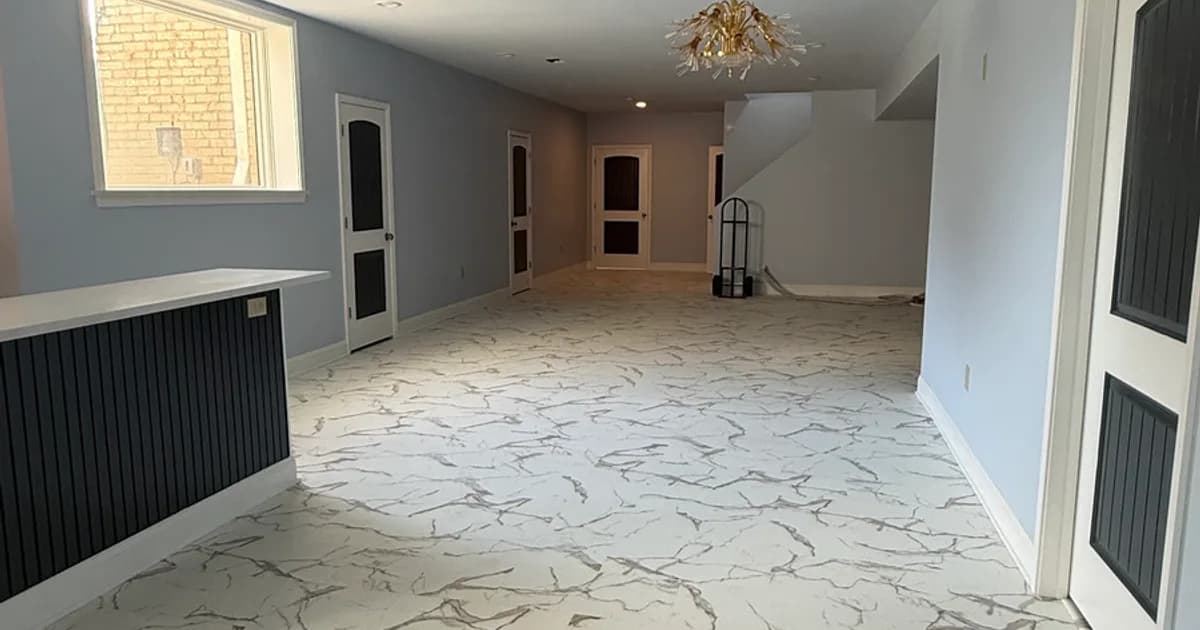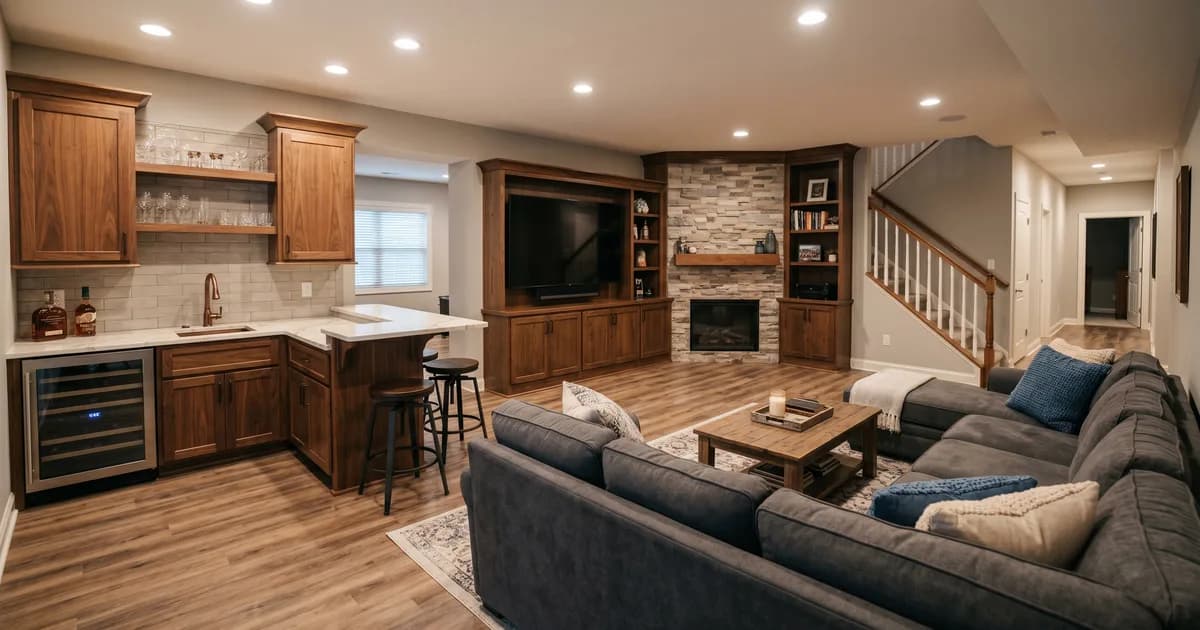


Homeowners usually see the finished kitchen, bath, or open-plan living area. What they do not always see is the sequence of decisions and coordination that makes that result possible. Good remodeling work is structured, not improvised.
Step 1: Consultation and goal-setting
Every successful remodel starts with a detailed conversation about how the home works today and what is not working anymore. Budget, layout pain points, style preferences, and schedule constraints all need to be clear before design decisions begin.
The first walkthrough is also where hidden risks start to surface. Existing conditions often shape the smartest path forward.
Step 2: Design and scope definition
Once goals are clear, the contractor can help organize the scope into something buildable. That may include layout revisions, storage planning, finish direction, and practical recommendations that balance budget with durability.
This phase matters because vague plans create expensive change orders later. Good contractors reduce ambiguity before demolition starts.
Step 3: Material selection with long-term performance in mind
Flooring, cabinets, fixtures, lighting, trim, and paint all need to work together, but they also need to hold up. Kentucky homes experience seasonal humidity changes, so material performance should be part of every recommendation.
A remodeling contractor helps homeowners compare options by looking at:
- Durability
- Maintenance requirements
- Installation complexity
- Lead times
- Overall fit with the home
That guidance prevents attractive but impractical choices from slowing the project down.
Step 4: Planning the schedule
A remodel becomes easier to live through when the order of work is clear. Demolition, framing, rough-ins, inspections, drywall, finishes, and punch-list work all need to be sequenced carefully.
Transparent planning helps the household understand what is happening next and when certain rooms will be unavailable.
Step 5: Managing construction quality
During construction, the contractor's job is to coordinate trades, protect the home, and keep quality consistent. That includes checking measurements, catching field issues early, and making sure each crew is handing clean work to the next one.
This is where professional remodeling separates itself from piecemeal project management. One team is accountable for the finished result.
Step 6: Communication throughout the project
Remodels rarely go exactly to the original script. Hidden damage, back-ordered materials, or layout adjustments can change the plan. The difference between a manageable project and a frustrating one is how those changes are communicated.
Homeowners should expect regular updates, documented decisions, and direct answers when tradeoffs appear.
Step 7: Cleanup, walkthrough, and closeout
Finishing the project means more than installing the last trim piece. A solid closeout includes cleanup, touch-ups, walkthrough notes, and confirmation that the final details meet the original expectations.
That final review is where the contractor proves the project was carried through, not just completed.
Why the process matters
A remodel changes how a family uses the home every day. Better flow, more storage, improved finishes, and updated systems all add value, but only when the work is organized well enough to reach the finish line cleanly.
If you are preparing for a kitchen, bath, basement, or whole-home update, Handy Manny's LLC can help plan the work through residential remodeling and move it from concept to construction with clear communication.
When you are ready to start, contact the team and schedule a project conversation.
Related Resources from Handy Manny's LLC:
- Kitchen Remodel Lexington KY — kitchen transformations in Lexington
- Bathroom Remodel Lexington KY — bathroom transformations in Lexington
- Basement Finishing Georgetown KY — basement finishing in Georgetown
Call (859) 551-5302 or get a free estimate — we serve Lexington, Georgetown, Versailles, Nicholasville, and Winchester, KY.