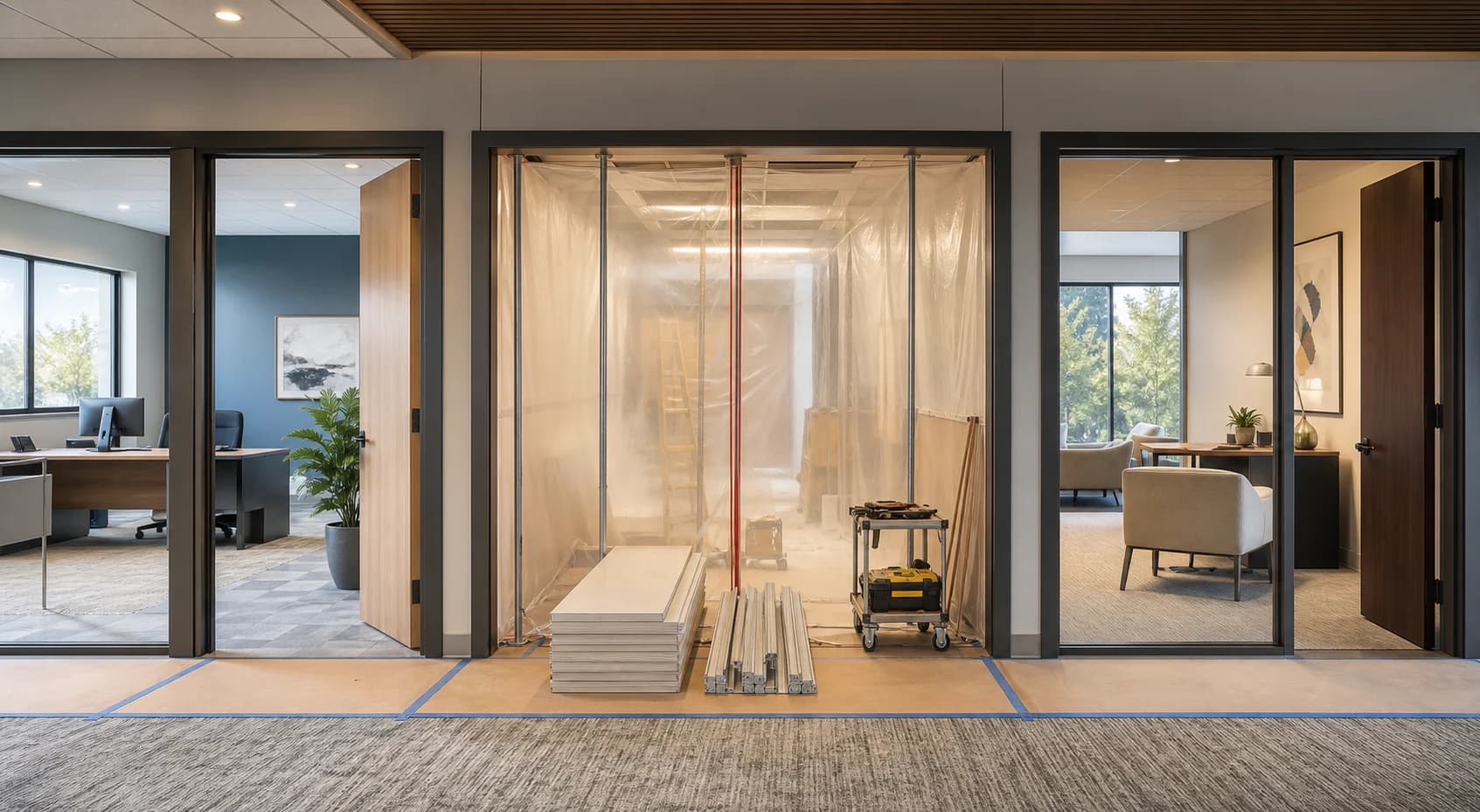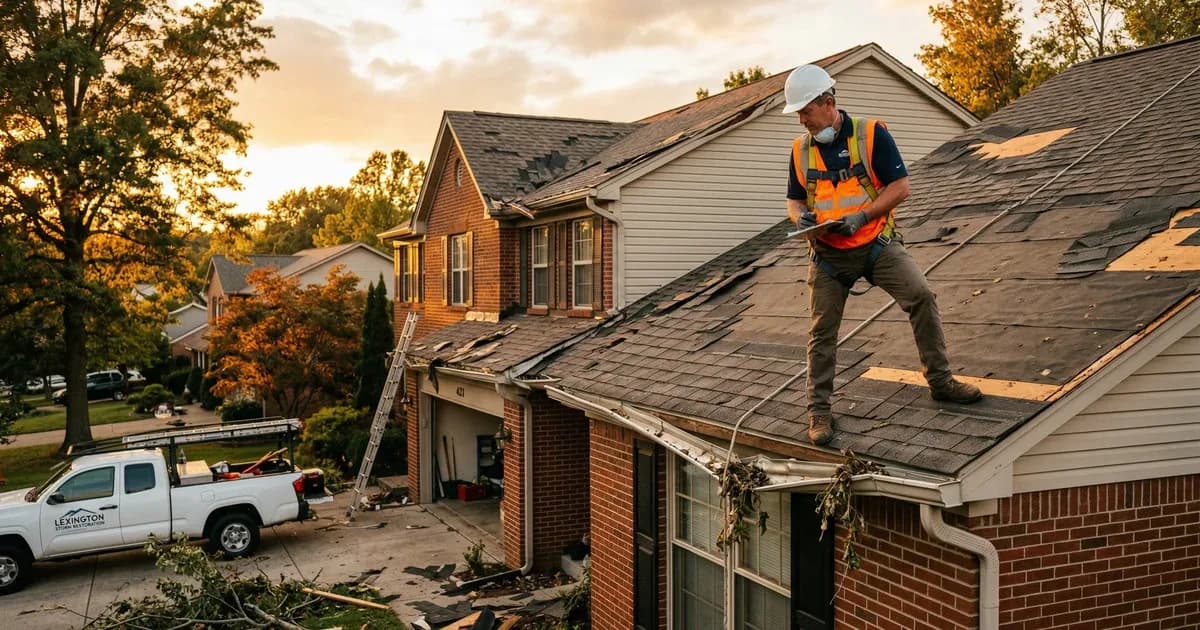

If you need an insurance restoration contractor in Lexington, KY, you’re probably trying to answer a few urgent questions. Is the house safe? What happens next? How will the repairs work with your insurance claim?
For storm damage restoration or repairs after a water leak or fire, start with safety. Once the immediate danger is handled, report the loss to your insurance company and document the damage before cleanup changes what’s visible. Then get a written repair plan that explains what needs to be done and in what order.
As your contractor, my job is to work out what the house needs and price the construction work. After you’ve filed a claim, I can discuss the damage and repair estimate with your carrier’s representative. Your insurer decides coverage under your policy.
Here’s what that process looks like, from the first walkthrough to the last repair.
Start with a clear picture of the damage
A stain on the ceiling tells you where to look. It doesn’t tell you everything that needs repairing.
Water may have reached insulation or flooring you can’t see yet. A repair might involve several trades, even when the damage looks contained to one room. That’s why the first estimate sometimes needs to change as more of the house becomes accessible.
If additional damage turns up, it needs photos, measurements, and a written explanation of the work required. That gives everyone something specific to review and helps you understand why the repair plan has changed.
A water damage restoration project in Georgetown
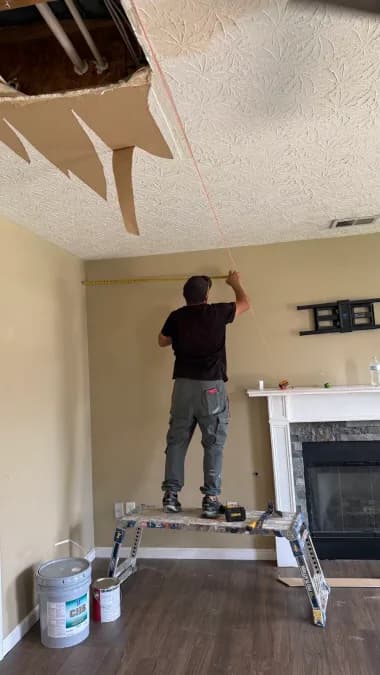
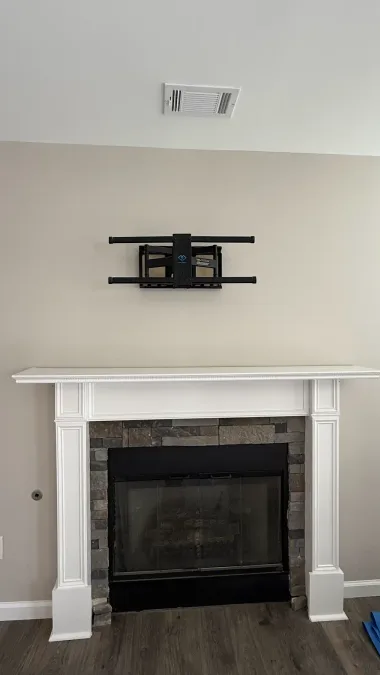
At a home in nearby Georgetown, a broken heater caused water damage in the living room, hallway, and two bedrooms. Both the floors and ceiling were affected.
The initial Travelers estimate was $17,503.52. After revisions, the final quote was $22,706, a difference of $5,202.48. Those figures describe this project’s estimates; they aren’t a promise about what another homeowner’s insurance will cover.
The work took place in July and was completed by July 25. Final inspections and the homeowner walkthrough were completed too.
For a homeowner, the useful question is what changed between estimates. Ask your contractor to explain each revision and show the work it covers so you can follow the repair plan.
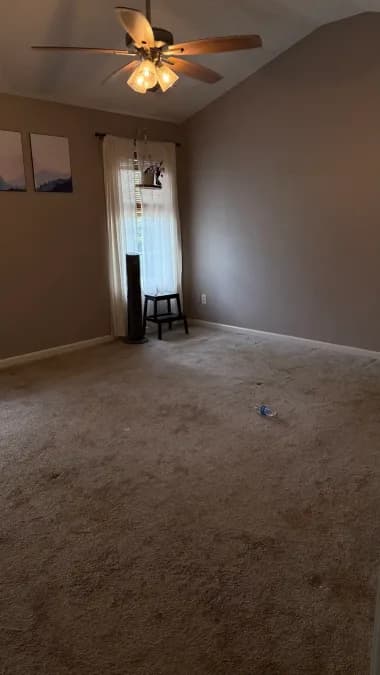
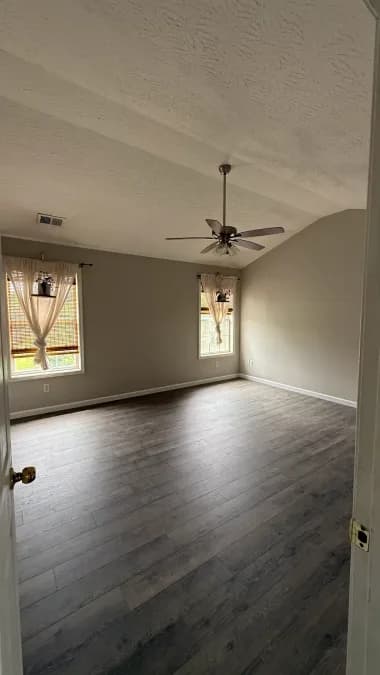
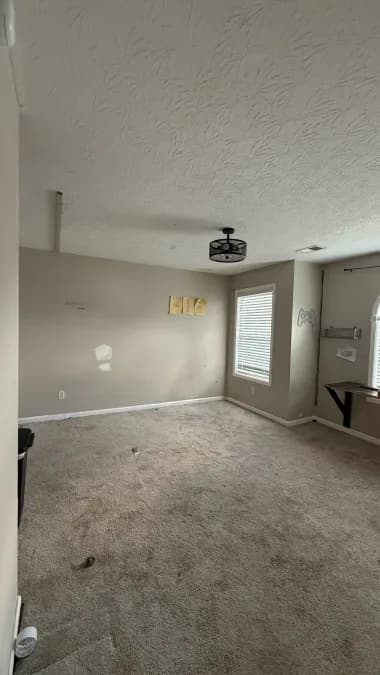
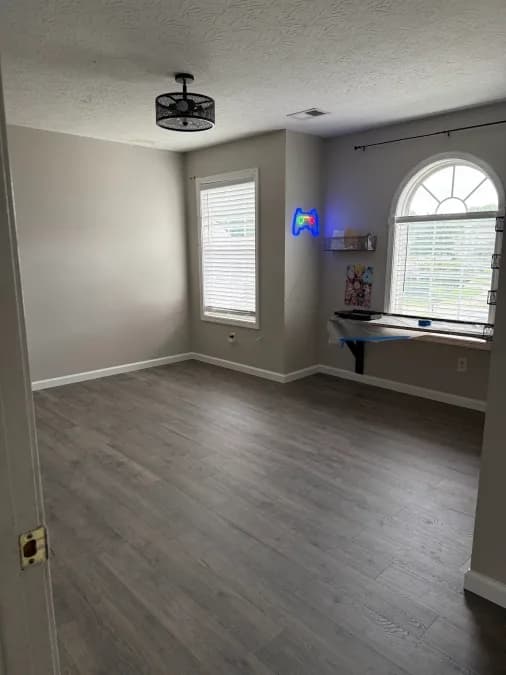
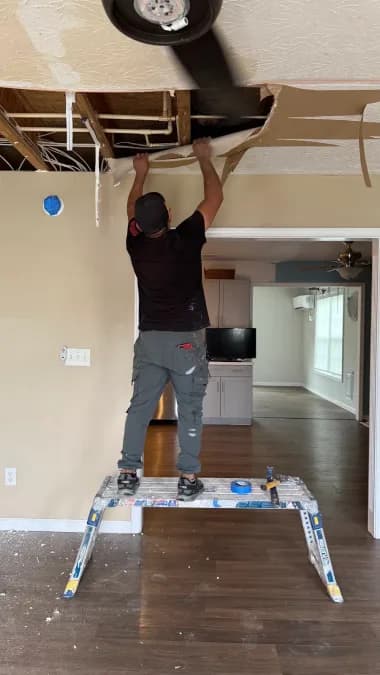
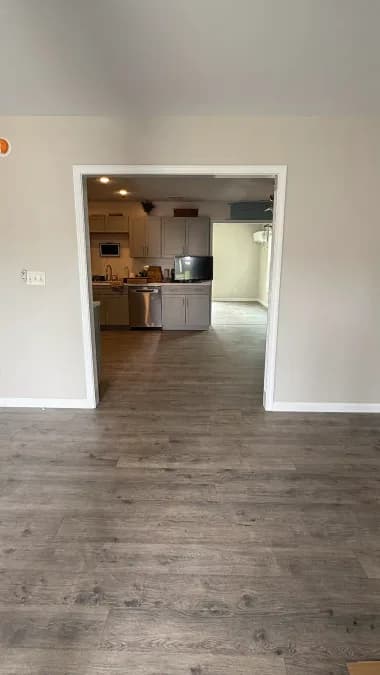
How an insurance restoration contractor takes repairs from start to finish
1. Make the property safe and notify your insurer
If there’s an active fire, a gas smell, an electrical hazard, or a risk of collapse, leave the area and contact emergency services. Don’t enter an unsafe room to take pictures.
Once it’s safe, contact your insurance company and ask what it needs from you. Photograph damaged belongings before disposal when you can do so safely, and follow the directions of the professionals handling any hazards. Keep receipts for temporary protection, emergency work, and lodging so you can ask your carrier which expenses qualify for coverage.
2. Document each affected room
Take wide photos that show the whole room, then closer photos of the damage. Label them by room and keep a short timeline of what happened, what was shut off, and what has already been removed.
During the construction assessment, photos, measurements, and any moisture readings help connect the repair estimate to conditions in the house. Keep that record together with your claim paperwork. It’s much easier to answer a question when you can find the right photo or invoice.
3. Separate emergency work from rebuilding
Temporary roof protection, drying, and removing damaged materials are different stages from installing new drywall, flooring, or cabinets. Your written scope should explain which work belongs to each stage.
Ask what must happen before reconstruction can begin. Also ask how the contractor will document anything discovered behind a wall or under a floor. You should know how changes will be reviewed before they become extra work on the bill.
4. Review the repair estimate
A useful estimate breaks the job into work you can recognize: protection of the rooms you’re still using, demolition, disposal, materials, labor, trade work, and finishes. Permit costs and required code work should be identified too.
Look beyond the total. Does the estimate include the damaged subfloor as well as the flooring? Does it account for insulation removed with the drywall? Are the finish selections clear?
If something is missing, ask for the supporting photos and an explanation. Any additional construction scope should be documented and discussed with the appropriate parties. It isn’t a guarantee of additional insurance payment.
5. Confirm permits and inspections
For work in Lexington-Fayette County, contractors must register with Building Inspection to obtain building permits. The permits your job needs depend on the repairs involved. Building, electrical, plumbing, and mechanical work may have separate requirements. LFUCG Building Inspection
Ask who will obtain the permits, which inspections are required, and where those steps fit into the schedule. The city publishes a permit-fee schedule, but the amount for your project should be confirmed against its actual scope.
6. Walk through the finished work together
Before the job closes, walk through each repaired area with your contractor. Check the finishes, discuss anything still outstanding, and put remaining items in writing.
Keep the final photos, invoices, approved changes, applicable inspection records, and warranty information in one place. You should leave that walkthrough knowing what was completed and who to contact if a question comes up later.
What affects restoration costs in 2026?
The size of the affected area is only part of the price. Access, contamination, hidden damage, materials, and the number of trades involved can all change the work required.
For broad national context, HomeAdvisor’s 2026 guide lists water-damage cleanup at $1,000 to $4,000, fire and smoke restoration at $3,300 to $22,400, and wind or storm repairs at roughly $2,000 to $10,000. These figures describe different kinds of work and aren’t a Lexington estimate or a budget for a complete rebuild. HomeAdvisor restoration cost guide
For your own home, ask for a current estimate based on an on-site assessment. Check what is included, what is excluded, and which items depend on further inspection. Review your deductible and any coverage questions with your insurer so you understand the costs you may need to pay yourself.
Code requirements can affect the repair plan
Replacing a damaged part of an older home can involve code requirements that weren’t part of the original construction. Kentucky’s adopted-code list includes the 2018 Kentucky Residential Code and the 2018 Kentucky Building Code. The applicable requirements depend on the building and the work. Kentucky adopted codes
One recent change is worth discussing with your electrician. Several previously delayed provisions of the 2023 National Electrical Code became enforceable on July 15, 2026. They concern certain receptacle locations, dwelling-service surge protection, and ceiling-fan outlet boxes. The state memo includes exceptions tied to earlier plan approvals or electrical permits, and some other provisions remain delayed. Your electrician and inspector should confirm what applies to your project. Kentucky DHBC electrical memo
Have that conversation while the work is being planned. It’s easier to account for a requirement before the wall is closed.
Understand your contractor’s role in the claim
Kentucky law allows a contractor to provide a construction estimate and discuss property damage with an insurance representative after the homeowner files a claim. It prohibits contractors from representing or negotiating on an insured homeowner’s behalf, acting as public adjusters, or marketing themselves as insurance or claims experts. Deductible rebates offered to win insured work are also prohibited. KRS 367.628
I can explain the repairs, document the conditions, and answer questions about my estimate. Questions about what your policy covers belong with your carrier or an appropriately licensed insurance professional.
What to bring to your first appointment
You don’t need a perfect file to start the conversation. Gather what you have:
- Your claim number and insurance contact.
- The adjuster’s estimate or scope, if you’ve received one.
- Photos and a brief timeline of the damage.
- Emergency-work invoices and receipts.
- A list of rooms or systems you can’t use.
Tell us whether you’re living in the home during repairs and what needs to remain usable. Those details help us plan the work around your household.
Handy Manny’s LLC serves Lexington, Georgetown, Nicholasville, Winchester, and Versailles. Learn about our insurance restoration services, or request an estimate to talk through the repairs your home needs. If the work includes a broader renovation, our residential general contracting page explains that service too.